Comparing the Total Cost of Ownership of Hypertherm Plasma and Fiber Laser Cutting Systems
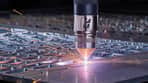
A cutting system is not a one-time expense. It needs power, gas, consumables, maintenance, parts, floor space, and people who can keep it running. Hypertherm Plasma often gives shops a more manageable path into production, while fiber laser can add costs that are not always clear in the first quote.
The table below compares key total cost of ownership factors for Hypertherm Plasma and fiber laser cutting systems. In many shops, Hypertherm Plasma can provide a more cost-effective path, while fiber laser requires closer scrutiny because the higher investment is only part of the total cost.
|
Cost Category |
Hypertherm Plasma |
Fiber Laser |
|
Initial Equipment Cost |
Often Lower |
Often Higher, but Varies by System Tier |
|
Facility Upgrades |
Often Minimal |
Often Required |
|
Electrical Infrastructure |
Lower Requirements |
Often Higher Requirements, Especially for Higher-Power Systems |
|
Safety and Compliance Considerations |
Standard Thermal Cutting Safety Practices |
Additional Laser Safety Requirements |
|
Process Gas Costs |
Flexible Gas Choices Can Help Manage Cost |
High Assist-Gas Use Can Increase Cost |
|
Consumables and Wear Components |
Predictable Consumable Replacement Costs |
Lower Consumable Replacement Spend but Higher-Cost Specialized Components |
|
Maintenance Costs |
Predictable and Easier To Plan |
More Specialized and Potentially Costlier to Service |
|
Repair Costs |
Lower Cost Components |
More Expensive Specialized Components |
|
Downtime Impact |
Lower Maintenance Downtime |
Higher Potential Downtime |
|
Floor Space Requirements |
Smaller Footprint |
May Require More Supporting Infrastructure Space |
|
Thick Plate Operating Costs |
Lower |
Higher |
|
Expansion Costs |
Lower Investment |
Higher Investment |
Initial Equipment Costs Are Only the Beginning
The purchase price is usually the easiest number to see, but it is only the opening move.
For many fabrication shops, capital budgets are tight. Hypertherm Plasma is often evaluated because it can offer a lower upfront equipment cost and a clearer path to return on investment. Fiber laser usually requires a larger initial investment, which means the shop has to recover more cost before the equipment starts to feel like the right decision.
That difference matters when a company is planning for more than one machine or building a longer-term capacity plan. Fiber laser may bring speed, automation, and thin-material advantages, but those benefits need to be weighed against the purchase price and the payback burden.
At the same time, a lower upfront machine cost is not automatically the better investment if it shifts cost and risk into service, uptime, support, and long-term maintenance. The more accurate discussion, therefore, is total investment and ownership cost—not purchase price alone.
Facility and Electrical Requirements Can Influence the Final Cost
Facility readiness is easy to underestimate, and unseen costs can change the fiber laser equation quickly. A Hypertherm Plasma system may fit into more existing shop environments, while fiber laser can require more planning around power, cooling, gas, layout, and support equipment.
That added planning can affect more than installation logistics; it can delay startup, increase pre-production costs, and require facility decisions before the machine is ready to run. Those costs often sit outside the machine quote. If they are not identified early, fiber laser can become more expensive than expected before production even starts, while Hypertherm Plasma may offer a more straightforward path from purchase to cutting.
Safety Considerations Can Affect Ownership Costs
Safety requirements should be considered as part of the total ownership picture. Both plasma and fiber laser systems require proper training, procedures, and ventilation, but fiber laser systems often require additional safeguards related to beam containment, interlocked enclosures, and laser-specific safety controls.
These requirements can influence facility planning, training, compliance efforts, and equipment costs. While safety should never be viewed solely as an expense, the resources required to operate and support each technology safely can contribute to overall ownership costs.
Operating Costs Extend Beyond Consumables
Consumable costs are often discussed when comparing plasma and fiber laser systems, but they should not be evaluated in isolation. Plasma systems typically require routine replacement of consumables such as electrodes, nozzles, and shields as part of normal operation. Fiber laser systems often require fewer routine consumable replacements.
The broader ownership picture is more complex. Shops should also consider electricity consumption, assist gas requirements, maintenance needs, service support, and the cost of specialized components when repairs are required. While plasma consumable spending is typically more frequent and visible, it is often predictable and easy to budget. Fiber laser systems may have lower consumable replacement costs, but service costs, specialized component replacements, and downtime events can be expensive, less predictable, and significant to overall ownership cost.
Maintenance Costs Deserve Careful Attention
Every industrial machine requires maintenance, but predictability and access to qualified people matter. Hypertherm Plasma systems can give shops a clearer maintenance picture because routine support is often easier to understand, schedule, and plan around. Fiber laser can add a different level of difficulty through specialized components, optics, beam delivery systems, cooling requirements, and support equipment that may require trained technicians instead of general maintenance staff, making the availability of qualified service support for the specific machine an important factor to evaluate before purchase
That labor question can become one of the unseen costs of fiber laser ownership. A maintenance task handled in-house is different from one that depends on a specialized service call, a technician with the right training, or parts that are not already on the shelf. Hypertherm Plasma can give shops more control over routine support, while fiber laser may bring service requirements that are more expensive, harder to schedule, and more dependent on outside expertise.
Repair Costs Can Have a Significant Impact
Repair cost needs to be part of the comparison. Hypertherm Plasma can offer a more cost-effective repair profile because parts, access, and serviceability are easier to understand. Fiber laser repairs can become more expensive when specialized components, optics, service requirements, or downtime are involved.
A machine that is easier and less expensive to repair reduces risk. A machine that is easier and less expensive to repair reduces risk by putting many preventive maintenance and repair tasks in the control of your maintenance team, rather than requiring the shop to wait for a specialized outside technician. That is one reason Hypertherm Plasma can make sense for shops that need practical cutting performance without adding repair costs that are hard to predict.
The Cost of Downtime Is Often Greater Than the Cost of Repairs
Downtime is where unseen costs get real in a hurry. It is easy to talk about the price of a repair part. It is harder to measure the cost of a fiber laser system that is waiting on specialized service while jobs keep stacking up.
When a cutting system is down, the shop may still be paying labor, overhead, and facility costs without producing finished parts. Operators, downstream teams, and customers may all be waiting.
That is why uptime belongs in the cost discussion from the beginning. Shops evaluating Hypertherm Plasma should look at how quickly the system can be diagnosed, serviced, and returned to production. That same question should be asked even harder of fiber laser because a more expensive system does not automatically mean lower downtime risk.
Choosing the Right Technology for the Application
Fiber laser can be a strong fit for specific shops focused on thin material, tight tolerances, high speeds, and automation. The challenge is that those advantages have to be used often enough to overcome the much higher purchase price, facility demands, operating costs, and service requirements.
Hypertherm Plasma continues to hold strong value in many fabrication environments because it gives shops a cost-effective way to cut a wide range of material without taking on the full financial weight that can come with fiber laser.
That is why the comparison should start with the application and the business case. What does the shop cut most often? Where does it make money? Where does downtime hurt the most? If the work does not fully use the advantages of fiber laser, the unseen costs can outweigh the benefits.
Evaluate the Entire Ownership Picture
A good equipment decision looks at the whole picture: the machine, the building, the people running it, the work feeding it, and the support required to keep it productive. On that total cost of ownership view, Hypertherm Plasma can be the more cost-effective answer for many shops, while fiber laser needs a stronger justification because more costs can appear after the quote.
The right cutting system is not always the most expensive or the most advanced. It is the one that gives the shop the best value across its working life. For many fabricators, Hypertherm Plasma provides that cost-effective path while fiber laser demands a close look at the unseen costs that come with owning and supporting the technology.
Frequently Asked Questions
What is total cost of ownership for a cutting system?
Total cost of ownership is the full cost of buying, installing, running, maintaining, repairing, and supporting a cutting system over time. Hypertherm Plasma can be more manageable, while fiber laser requires close review of the higher purchase price and costs that may appear after installation.
Why should manufacturers consider electrical infrastructure when comparing cutting technologies?
Electrical infrastructure can affect both installation cost and long-term operation. Hypertherm Plasma may fit more existing shop environments, while fiber laser can require more power, more planning, and more supporting infrastructure before the system can run as intended.
Do lower consumable costs automatically mean lower operating costs?
Plasma systems typically have higher routine consumable costs because electrodes, nozzles, and shields are replaced regularly as part of normal operation. Fiber laser systems often require fewer routine consumables. However, consumables represent only one portion of operating cost. Shops should also consider the cost and availability of specialized laser components, service requirements, and the potential impact of component failures. For many operations, these less frequent but higher-cost events can have a greater effect on total ownership cost than routine consumable replacement.
Is the lowest purchase price always the lowest cost of ownership?
No. A lower purchase price can help, but the real decision is total ownership cost. Hypertherm Plasma can offer a more cost-effective path because purchase, installation, maintenance, repair, and support costs are often easier to manage. Fiber laser may fit specific applications, but shops need to account for the higher investment and unseen costs that can follow.