Plasma Back Gouging: Creating Stronger Welds with Less Rework
When you are welding thick plate, pipe, pressure vessels, railcars, or structural steel, getting full penetration from one side of the joint is not always achievable. Hypertherm plasma back gouging gives fabricators a cleaner way to open the backside of the joint, expose sound metal, and reduce the grinding that often slows the job down.
That matters because the first weld may look fine from the outside, but that does not mean the root is clean. Incomplete fusion, trapped slag, porosity, or a bad tie-in can still be hiding where the joint matters most. With the right Hypertherm plasma system, back gouging can become a more controlled part of weld prep instead of a messy step before the real work begins.
Better Welds Begin Before Welding
A good weld starts before the final pass is ever made. Fit-up, joint design, procedure, preparation, and equipment choice all shape the result. Back gouging is part of that preparation because it removes defects at the root and opens the joint so the final weld can tie in correctly.
The setup a shop chooses also directs the work it can take on. Handheld Powermax systems make sense when the job calls for flexibility, repair work, weld removal, or parts that change from one project to the next. MAXPRO200 and XPR systems fit better when the work repeats, the seams are longer, and the shop needs a cleaner, more consistent groove from one gouge to the next.
What Is Back Gouging?
Back gouging removes weld metal and base metal from the reverse side of a welded joint before the final weld passes are made. The goal is simple: open the backside of the joint, remove defects from the root area, and create the space needed for full penetration.
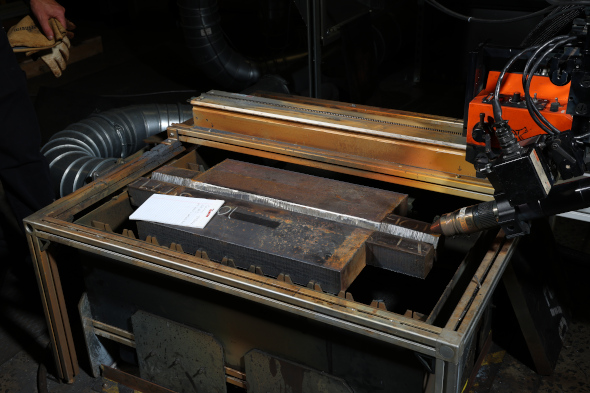
You see this wherever weld strength and inspection results matter, including shipbuilding, structural steel, pressure vessels, heavy equipment, railcars, wind towers, and energy infrastructure. These are the kinds of applications where Hypertherm Powermax®, MAXPRO200®, and XPR® systems can support anything from handheld repair work to mechanized and automated gouging.
Why Back Gouging Is Important
Back gouging is not just about removing metal. It is about giving the welder a better joint to finish.
The root pass is often the hardest part of the weld to see, inspect, and trust. If defects stay trapped there, they can lead to cracks, fatigue problems, or failed inspection. Back gouging gives the operator a way to remove the questionable material before it becomes a rework problem. By opening the backside of the joint and exposing clean metal, the welder has a better starting point for the final pass.
It also gives the welder room to work. Instead of forcing weld metal into a narrow or uneven opening, the gouge creates access to the root. That makes it easier to tie in properly, reduce grinding, and improve the chance of passing inspection without having to come back and fix the joint later.
Not All Back Gouges Are Created Equal
Taking metal out is only half the job. The shape of the gouge matters just as much.
A good back gouge gives the welder enough width and depth to reach the root without making the joint harder to weld. If the groove is too narrow, access becomes a problem. If it is uneven, the welder may have to grind and reshape the joint before welding can continue.
That is why consistency matters. Hypertherm plasma gouging can help create smoother, more repeatable profiles, which can mean less cleanup, less grinding, and less time between weld preparation and final welding.
Common Applications for Back Gouging
Back gouging shows up anywhere thick material and full-penetration welds are part of the work. Shipyards use it on hull sections and deck assemblies. Structural shops use it on critical welded joints. Pressure vessel Fabricators do it on pressure vessels, tanks, reactors, and process equipment.
It is also common in railcar manufacturing, heavy equipment production, wind tower fabrication, transmission structures, and pipeline construction. For example, Hypertherm has documented a railcar weld preparation application where a fabricator moved from manual carbon arc gouging to automated plasma gouging with a Powermax125® system to improve gouge consistency, reduce cleanup, and create a safer work environment.
Manual Back Gouging
A lot of back gouging is still done by hand. For that kind of work, Hypertherm Powermax systems are the natural fit because they give operators a portable platform for cutting, weld removal, repair, and gouging without adding another process to the shop floor. Powermax45 SYNC®, Powermax65 SYNC®, Powermax85 SYNC®, Powermax105 SYNC®, and Powermax125® can all support manual gouging work, depending on the material, joint size, and how much metal needs to be removed.
For lighter or more controlled work, Powermax systems with Max Control gouging cartridges and consumables can help operators shape the groove without taking out more base metal than needed. For faster metal removal, Max Removal gouging cartridges and consumables are a better fit, especially when the shop is opening the backside of a weld or removing a failed area before repair. When access is tight, HyAccess™ gouging cartridges and consumables give the operator more reach and visibility into the joint. A skilled operator can still adjust torch angle, travel speed, and removal rate as the joint changes, but the right Powermax system and consumable choice make that manual work easier to control.
Automated Back Gouging
When the work repeats or there are long sections to backgouge, automation begins to make more sense. Long weld seams, heavy parts, and production environments benefit from a process that does not depend on one operator holding the same angle and speed for the full length of the joint.
Track-mounted systems, manipulators, robotic cells, and gantry systems can make gouging more consistent. With Hypertherm MAXPRO200 or XPR plasma systems, shops can support cleaner, more repeatable groove profiles in mechanized and automated back gouging applications.
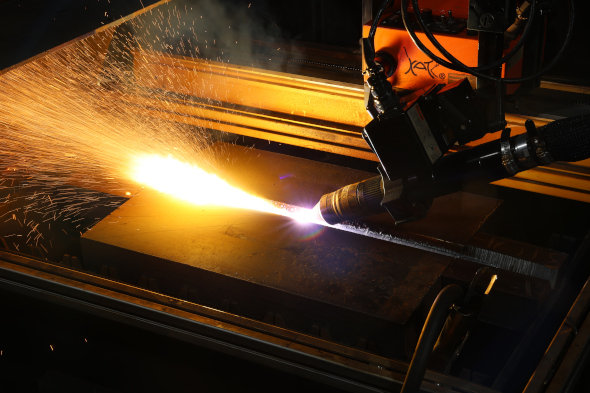
There is a safety benefit too. Mechanized systems can move operators farther from the sparks, noise, fumes, and heat that come with weld preparation. For shipyards, pressure vessel shops, wind tower manufacturers, and structural fabricators, that can matter as much as the productivity gain.
Frequently Asked Questions About Back Gouging
What is the purpose of back gouging?
Back gouging removes weld metal and base metal from the backside of a joint so the welder can get back to sound material before finishing the weld. It helps remove root pass defects, improve access, and support full penetration.
Is plasma back gouging better than carbon arc gouging?
Plasma back gouging can produce a cleaner and more controlled groove than carbon arc gouging in many applications. Carbon arc still has its place, but Hypertherm plasma can be a good option when the shop wants more control, less cleanup, and a more repeatable groove profile.
When should a fabricator use automated back gouging?
Automated back gouging makes sense when the work repeats, the seams are long, or the shop needs a more consistent groove than manual gouging can provide. Hypertherm MAXPRO200 and XPR systems can support those heavier mechanized and automated applications.
Find your next plasma cutter